
Last updated October 15, 2026
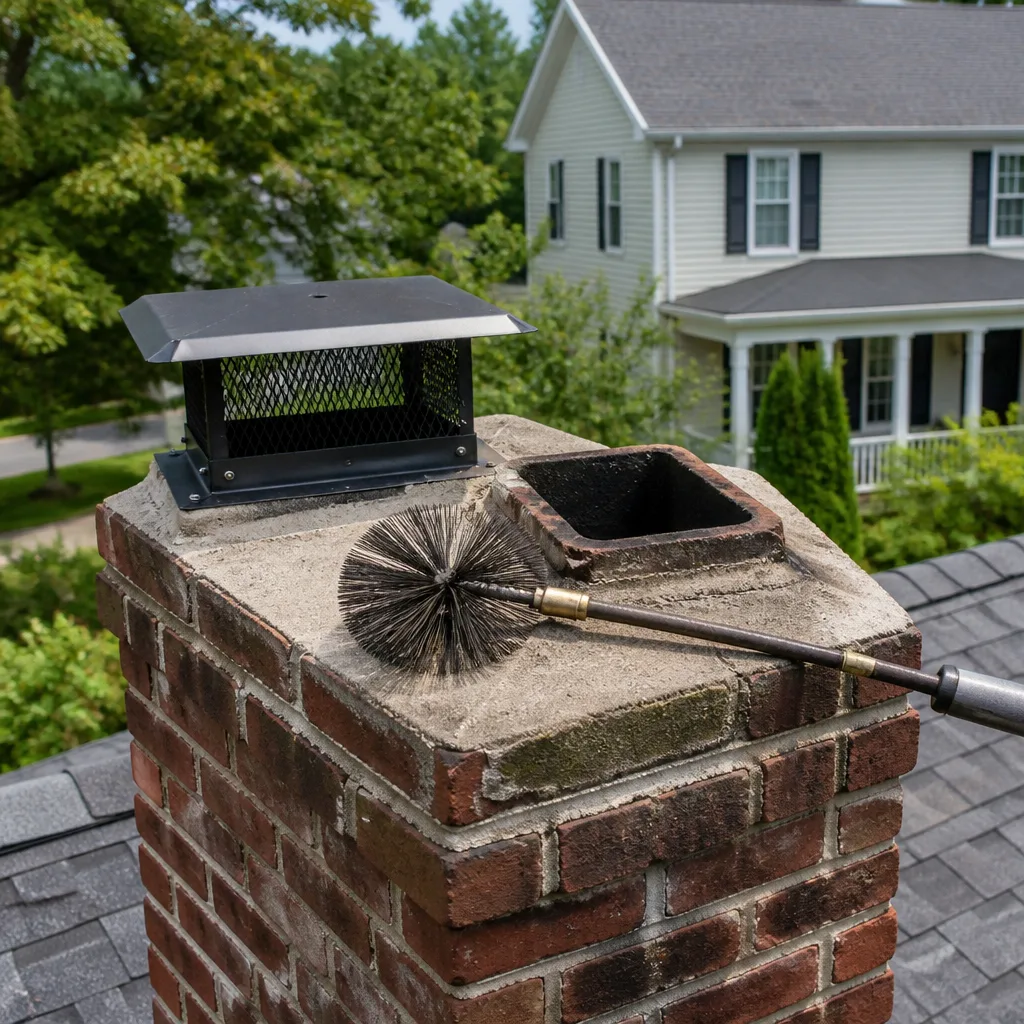 Sweep & inspection
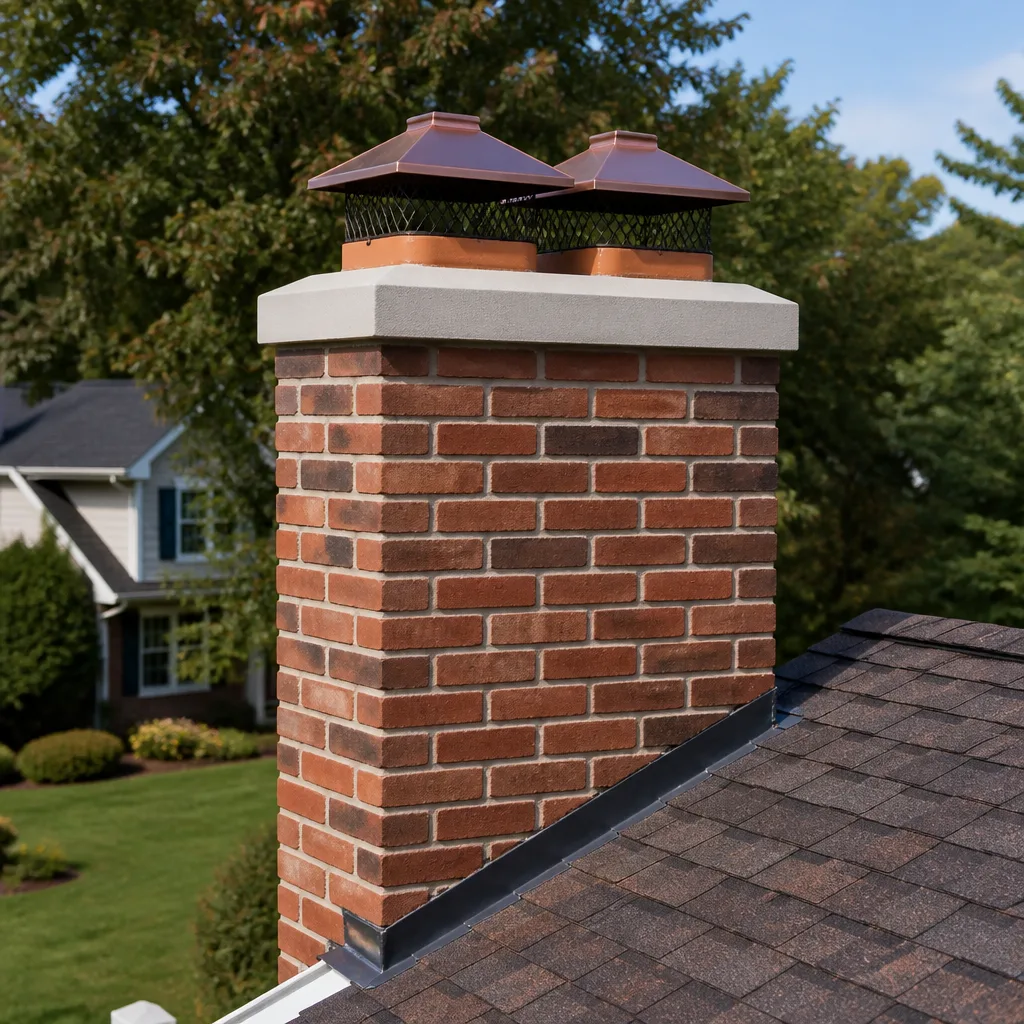 Caps & crowns
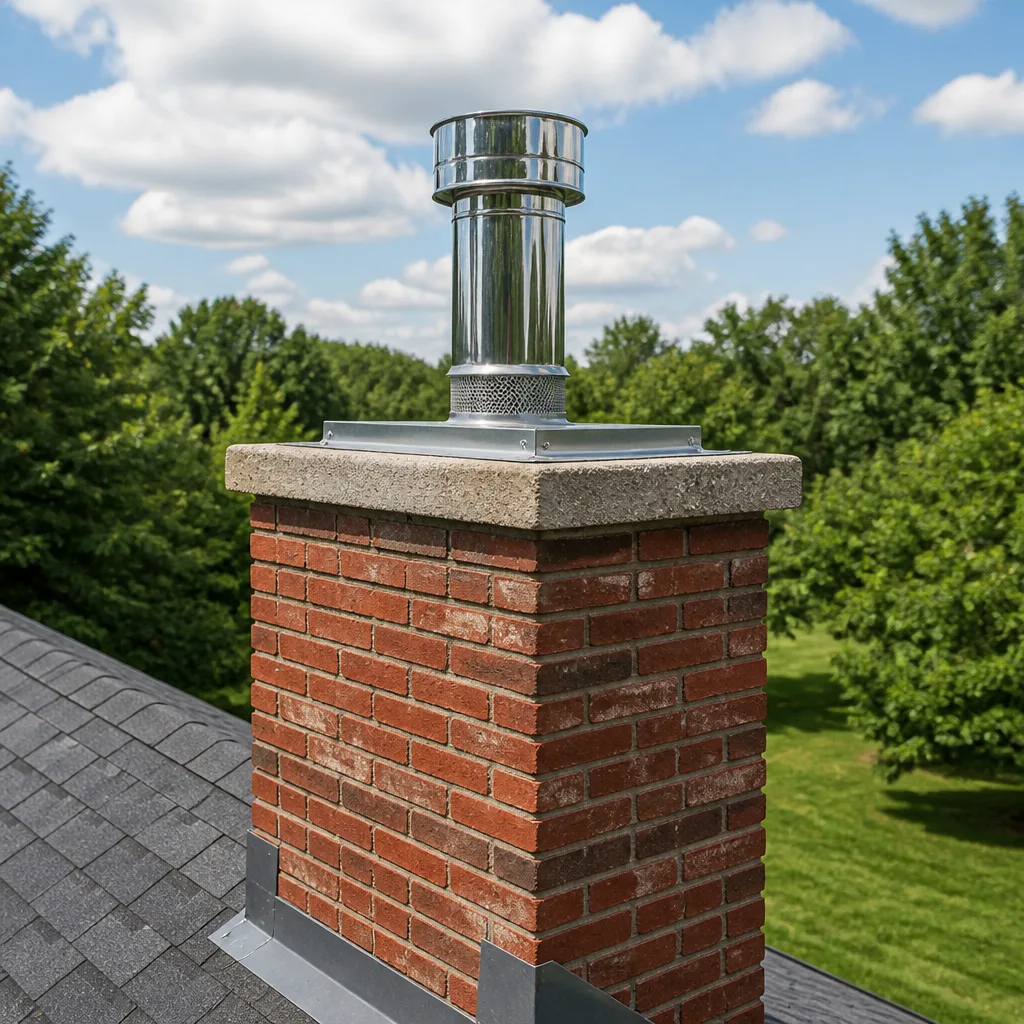 Flue relining
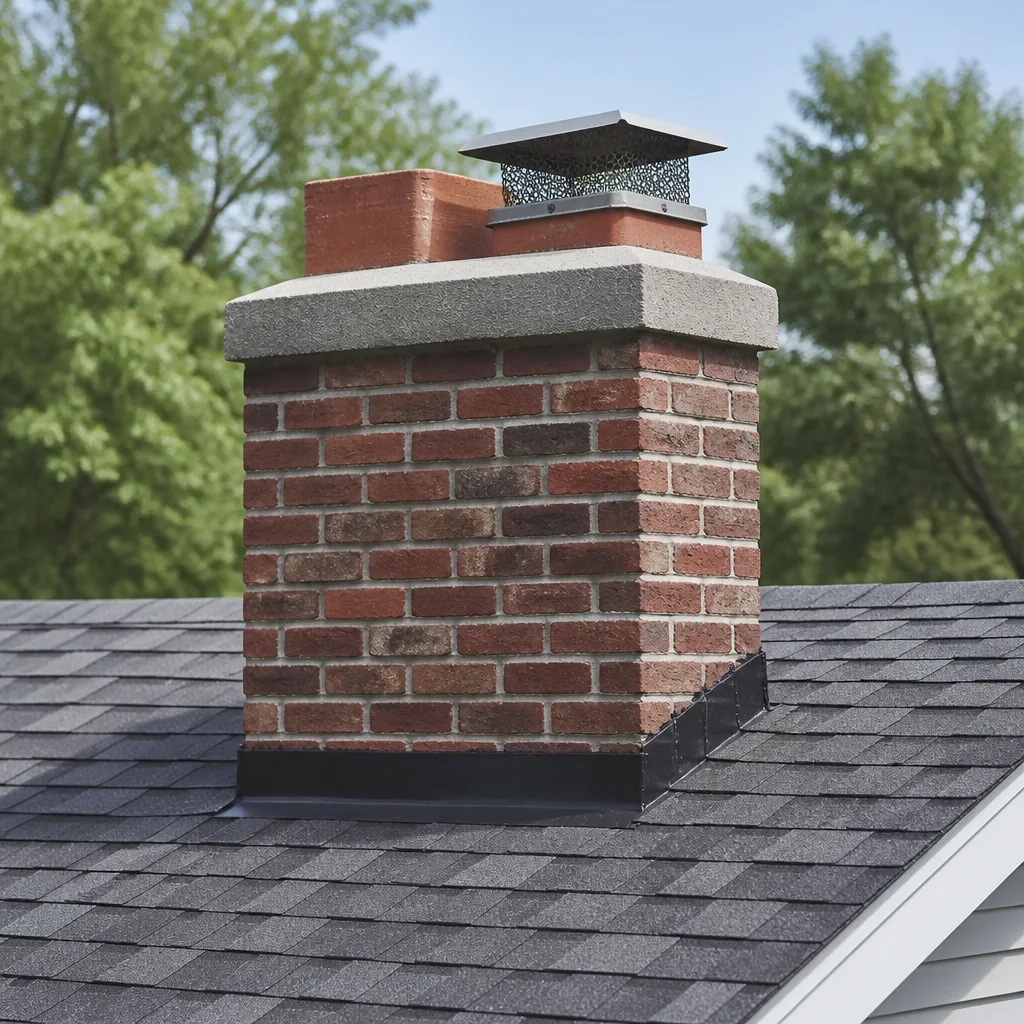 Masonry repair
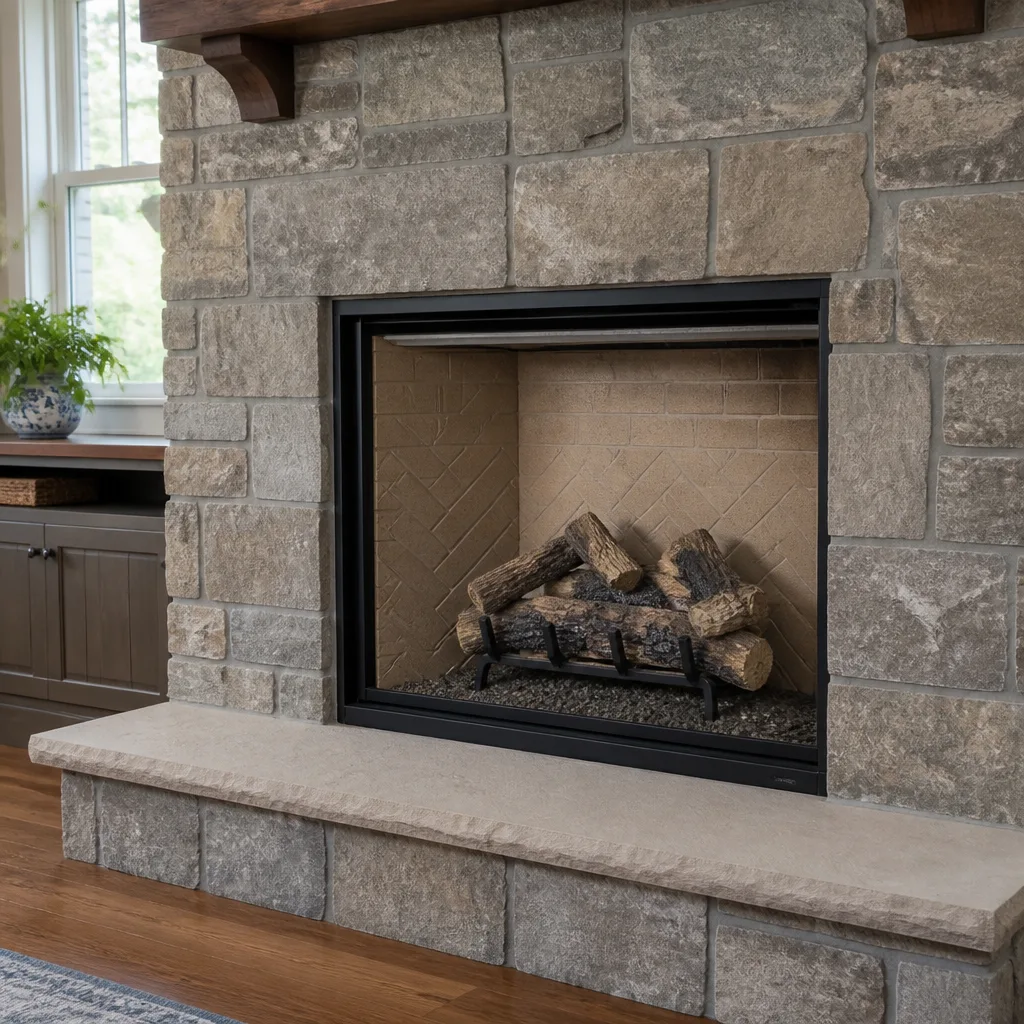 Gas fireplace service
Level 1 sweep and inspection to the NFPA 211 annual standard - flue, crown, cap, and flashing checked and photographed
Chimney sweep logs do not sweep chimneys. They loosen some creosote - which then falls where a brush and vacuum still have to collect it.
Seasonal Chimney Cleaning Care for Alpharetta: Year-Round Homeowner’s Guide
The most expensive chimney repairs in Alpharetta don’t happen in December. They happen in July, after six months of sitting in Georgia humidity with a crack in the crown that went unaddressed after the last fire season ended. A fireplace that worked fine in February can quietly collect moisture all spring, and by the time you light the first fire in November, that moisture has done real damage to the flue liner, the damper, and the mortar joints. This guide walks through what Alpharetta homeowners should actually do each month, why a single late-summer sweep matters more than constant winter maintenance, and how to keep your fireplace safe for the family gathered around it. For Chimney Cleaning Warning Signs: A Alpharetta Homeowner’s Reference Guide, see our dedicated resource.
Quick Answer
Seasonal chimney care in Alpharetta comes down to two critical appointments: a professional chimney sweep and inspection in August or September before the burn season begins, and a spring check in April or May to catch moisture damage from Georgia’s humid off-season months. Between those two visits, simple homeowner habits like keeping the damper closed when not in use, checking the exterior brick for spalling, and watching for water stains on the ceiling near the chimney prevent most expensive repairs. A standard chimney sweep in Alpharetta typically costs between $189 and $350 depending on the level of creosote buildup and access complexity.
Styles & brands we work with
Table of Contents
- Why Alpharetta’s Climate Shapes a Different Chimney Calendar
- The Month-by-Month Alpharetta Chimney Care Calendar
- Why Late Summer Is the Optimal Sweep Window in Alpharetta
- Georgia Humidity and the Off-Season Moisture Threats You Can’t See
- How to Safely Close Out Your Fireplace for Spring and Summer
- What to Do When the First Fall Fire Reveals a Problem Mid-Season
- Common Mistakes to Avoid
- When to Call a Professional
- Frequently Asked Questions
Why Alpharetta’s Climate Shapes a Different Chimney Calendar
Alpharetta sits at the edge of the Georgia Piedmont, where summer humidity regularly exceeds 70 percent and winter temperatures swing between freezing nights and mild afternoons. That combination does something specific to masonry: the freeze-thaw cycle works water into tiny cracks in brick and mortar, and the long humid stretch from May through September keeps that moisture trapped. Homes in Windward, Crabapple, and downtown Alpharetta’s older neighborhoods see this differently than houses in drier climates. A chimney built in Arizona might tolerate a decade of neglect. A chimney in Alpharetta rarely gets that grace period.
Most national chimney advice follows a generic four-season pattern written for the Northeast or Midwest, where the fire season runs six months and summer is dry. That advice tells homeowners to sweep in fall and ignore the chimney until spring. In Alpharetta, that approach leaves a chimney unprotected during the exact months when moisture is doing the most structural damage. We’ve inspected chimneys in Milton and Johns Creek where the creosote buildup was minimal but the crown had eroded enough to let water run down the flue all summer. Local Chimney Cleaning Permits, Codes & Inspections in GA: What You Need to Know can affect how these issues are documented and resolved. The homeowner did everything the generic advice said and still faced a $2,400 repair because the calendar was wrong for this region.
The burn season in Alpharetta typically runs from late October through early March. That’s roughly four to five months of active fireplace use, followed by seven months of dormancy. The care calendar needs to reflect that compression: one thorough sweep before the season starts, one careful inspection after it ends, and specific homeowner checks during the long humid gap between. It’s not about doing more work. It’s about doing the right work at the right time.
The Month-by-Month Alpharetta Chimney Care Calendar
Here is the calendar we recommend to homeowners in Alpharetta, Roswell, and the surrounding north Fulton area. Each month has one or two specific tasks, and none of them take more than 15 minutes except the professional visits in September and April.
January: Peak Burn Month
- Burn only seasoned hardwood that has dried for at least six months. Green or wet wood creates more creosote in a single fire than dry wood creates in ten.
- Keep the damper fully open while the fire burns, and leave it open until the embers are completely cold.
- Watch for smoke backing into the room. If the fireplace smokes with the damper open, stop burning and schedule an chimney inspection in Alpharetta before using it again.
- Place a spark guard or screen in front of the fire if children or pets are in the room. Embers can travel further than you expect.
February: End-of-Season Awareness
- Check the exterior brick from the ground after a hard rain. Dark, damp patches on the chimney that stay wet for days after the surrounding brick dries indicate water is soaking into the masonry.
- Listen for dripping sounds in the firebox during rainstorms. Water that reaches the firebox has traveled past the crown and the cap, and it’s time to look at what’s failing.
- If you notice a smell coming from the fireplace on warm or humid days, that’s creosote absorbing moisture. It’s not an emergency, but it is a signal that this spring’s cleaning is well timed.
March: Transition Month
- After the last fire of the season, let everything cool completely, then close the damper. A closed damper blocks the main route for humid spring air to enter the flue and condense on creosote deposits.
- Scoop out the loose ash from the firebox once it’s fully cold. Ash holds moisture against the firebrick and can accelerate deterioration.
- Leave about an inch of ash at the bottom if you prefer; it actually protects the firebox floor and makes the first fall fire easier to start. The important thing is not leaving a deep, damp pile.
April: Spring Inspection Month
- Walk around the exterior of the house and look at the chimney from the ground. Focus on the crown (the concrete slab at the top), the flashing where the chimney meets the roofline, and the mortar joints between bricks.
- Look for white, powdery staining on the brick. That’s efflorescence, and it means water is moving through the masonry.
- Check for spalling: brick faces that have popped off or flaked away, leaving a rough, recessed surface. Alpharetta’s freeze-thaw cycles make spalling common on chimneys that have gone several years without sealing.
- Go inside and look at the ceiling around the chimney penetration. Any water staining, soft drywall, or peeling paint means moisture has been getting past the flashing or through the crown.
- If you see any of these signs, book a professional inspection. Catching crown damage in April is the difference between a $300 crown seal and a $1,800 crown rebuild in December.
May: Animal Prevention Window
- Check that the chimney cap is still in place and that the mesh sides haven’t been pulled loose. Chimney swifts, squirrels, and raccoons all look for entry points in May and June.
- If the cap is missing or damaged, have it replaced or repaired before animals nest. A nesting pair of chimney swifts is federally protected, and you cannot legally remove them until the babies leave in late summer.
- Keep the damper closed and make sure it seals properly. A damper that won’t close all the way is an open invitation for humid air, insects, and the occasional curious squirrel.
June: Deep Humidity Month
- Run a dehumidifier in the room with the fireplace if you notice a musty smell or if the firebox feels damp to the touch. This is a temporary measure, not a fix; the real issue is usually a failed cap or crown letting water in.
- Check the firebox for any new cracks in the firebrick or gaps in the mortar joints. Cracks that appear during the off-season are often from moisture expansion.
- If you stored firewood inside over the winter, check it now. Firewood kept indoors near the fireplace all summer can release moisture into the room and contribute to the musty smell. Move it to a covered outdoor rack at least 20 feet from the house.
July: Hidden Damage Month
- This is the month when water damage that started in spring becomes visible. Look again at the ceiling around the chimney, the exterior brick, and the interior firebox.
- Touch the mortar joints inside the firebox. If they feel soft or crumbly, water has been soaking into them. Mortar should feel hard and solid.
- If your fireplace has glass doors, open them on a low-humidity day and let the firebox air out for an hour. Stagnant, humid air trapped behind glass doors accelerates corrosion on dampers and metal components.
August: Booking Month
- Call to schedule your annual chimney sweep and inspection. The ideal window is late August through September, before the fall rush begins.
- When you book, ask for a written price before the technician arrives. A reputable Alpharetta chimney company will provide one without hesitation. Kindling Chimney Alpharetta includes a written price before any work starts on every single visit.
- Move firewood to a covered location. Wood that will be burned this winter should be dry by now, with cracks visible in the end grain.
September: Sweep and Inspection Month
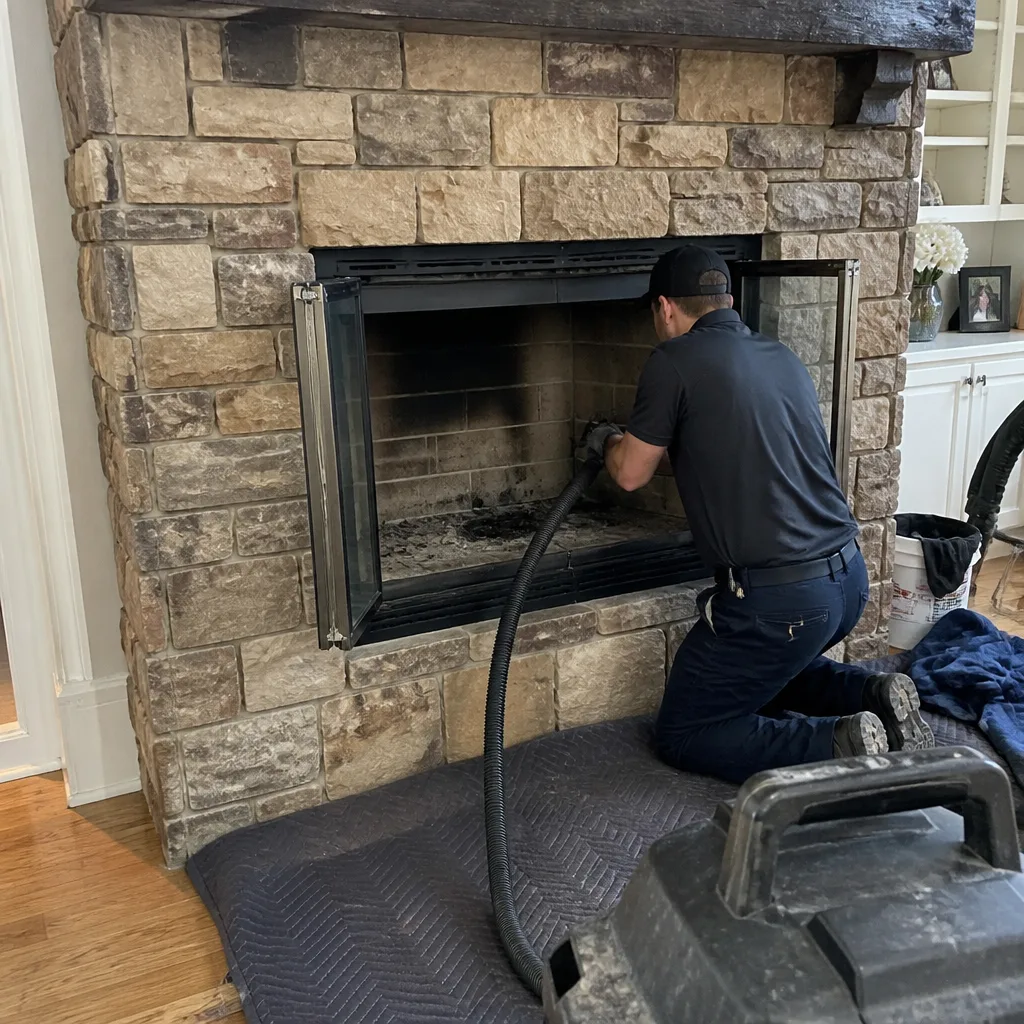
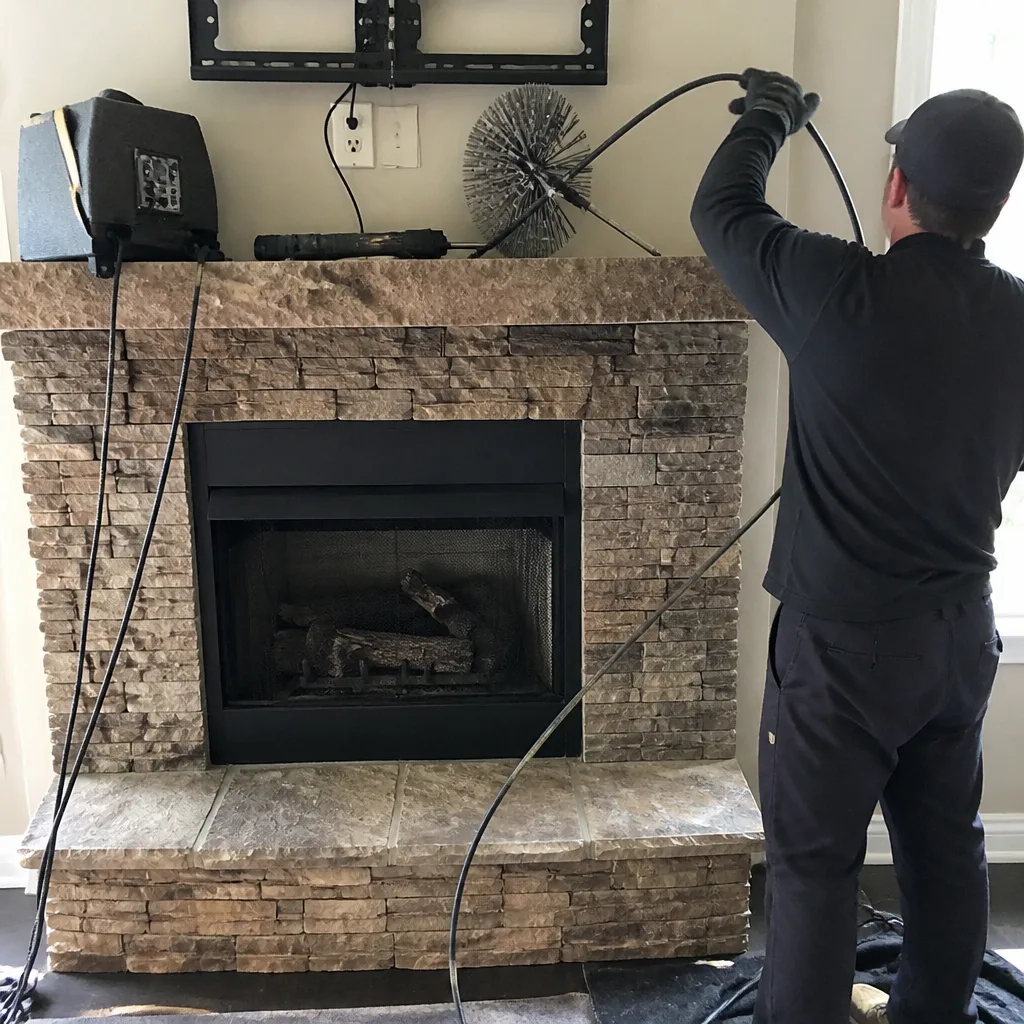
- The professional sweep removes creosote from the flue liner, smoke chamber, damper, and firebox. This is the single most important appointment on the calendar.
- The inspection checks the crown, cap, flashing, liner, damper, and firebrick for any damage accumulated during the off-season or the previous burn season.
- If the inspection finds issues, September is the time to fix them. There’s still a month before the first serious cold snap, and repair crews aren’t yet running on an emergency schedule.
October: Pre-Season Verification
- Light a small test fire with dry kindling and check the draw. The smoke should move up the chimney smoothly, not hang in the firebox or roll back into the room.
- If you smell smoke in the house after the test fire, don’t use the fireplace again until the flue has been checked. A September sweep should have caught blockages, but new animal nests or fallen debris can appear quickly.
- Stock up on seasoned hardwood now. Wood purchased in October that hasn’t been split and dried will burn poorly and build creosote quickly.
November: Regular Burn Season Begins
- Burn at a steady, moderate pace. Small, hot fires produce less creosote than long, smoldering ones.
- Keep the screen or glass doors closed when the fire is burning to contain sparks.
- Inspect the wood you’re burning. Any wood with visible mold, fungus, or that feels heavier than it should is wet and should be returned to the drying rack.
December: Maintenance Burn Month
- After every five to seven fires, do a quick visual check of the firebox. A quarter-inch of creosote on the walls is normal after several fires; half an inch means you’re either burning wet wood or not maintaining a hot enough fire.
- Keep the area around the fireplace clear of holiday decorations, wrapping paper, and anything flammable. December house fires in Alpharetta frequently involve decorations placed too close to an active fire.
- If you notice any change in how the fireplace draws, sounds, or smells, address it early rather than pushing through until spring.
Why Late Summer Is the Optimal Sweep Window in Alpharetta
The best time to clean a chimney in Alpharetta is not right before your first fire. It’s two to three months before that, in August or September. Here’s why this timing matters more than most homeowners realize.
First, creosote left from last season has had all spring and summer to absorb humidity. The longer it sits, the more acidic and corrosive it becomes, especially on the metal components of the damper and any stainless steel liner segments. Creosote that would have been a straightforward removal in April becomes a caked-on, sticky problem by October. But there’s a practical advantage here too: sweeps are less busy in late summer, which means more flexible scheduling and a thorough job rather than a rushed one between fifteen other appointments.
Second, Alpharetta’s October and November calendar fills fast. Every chimney company in the north Fulton area books solid once the first cold front rolls through in October. By waiting until the first chilly evening reminds you the fireplace exists, you’re competing with hundreds of other homeowners who had the same realization. A late-summer appointment puts you at the front of the line.
Third, a September inspection catches problems while there’s still time to fix them without paying emergency rates or waiting weeks for parts. A cracked flue tile, a rusted damper, or a deteriorating chimney cap can all be addressed in September with a standard appointment. The same problem discovered on a cold November evening becomes more expensive, and in the worst case, means your family goes without the fireplace during the exact months you want it most.
Danny Cortes, owner at Kindling Chimney Alpharetta, puts it simply: “The families who book in August never worry about their fireplace all winter. The families who book in November often spend winter looking at a fireplace they can’t use.” That’s not a sales pitch. It’s the reality of how compressed the Alpharetta burn season is and how quickly repair calendars fill once temperatures drop.
Georgia Humidity and the Off-Season Moisture Threats You Can’t See
Georgia’s humidity doesn’t just make July afternoons uncomfortable. It’s the primary driver of chimney damage in Alpharetta, and it works quietly over months while the fireplace sits unused. Understanding exactly what humidity does helps homeowners spot problems early and understand what their inspection report is telling them.
Spalling Brick
Spalling happens when moisture seeps into the brick, freezes during a cold snap, and expands. The expansion pressure pops the face off the brick. In Alpharetta, the pattern is slightly different than in colder climates: the brick absorbs moisture all summer from humid air, and then a January cold snap does the freezing. The result is the same, though. Rough, pitted bricks with visible flakes missing from the surface. Once spalling starts on a chimney, it accelerates; the damaged brick absorbs even more moisture, which freezes and pops more brick off. Catching spalling in the first year it appears can mean the difference between a masonry sealant application and a partial chimney rebuild.
Damper Corrosion
Metal dampers sit at the top of the firebox, directly in the path of any moisture that enters through the flue. Humid Georgia air alone won’t rust a damper in one summer, but humidity combined with creosote residue will. Creosote is acidic, and when it absorbs summer humidity, it holds that acid against the damper for months. The first fire of fall reveals a damper that’s stiff, rusted open, or rusted shut. Homeowners who keep the damper closed during the off-season see significantly less damper corrosion than those who leave it open, because the closed damper blocks the constant flow of humid outside air through the flue.
Crown Erosion
The crown is the concrete slab at the top of the chimney, and it’s the first line of defense against rain. Alpharetta gets about 51 inches of rain annually, and every drop that hits the crown tests its integrity. Crowns crack, and once a crack forms, water follows it down into the masonry below. The crack doesn’t look like much from the ground in April. But six months later, after a full spring and summer of rain and humidity working that crack wider, the crown has failed and water has been running down the inside of the chimney for months. Crown repairs in the early stages are straightforward. Rebuilding a crown after it has crumbled is one of the more expensive repairs on a chimney, often more than $1,500.
Flue Liner Deterioration
Clay flue tiles sit inside the chimney and channel smoke safely up and out. When moisture gets between the tiles or behind them, the mortar joints between tiles break down. In a masonry chimney, these tiles are the safety barrier between fire and the combustible materials in the home’s framing. A compromised liner isn’t just a repair issue; it’s a safety concern that should be addressed before the fireplace is used again. This is where professional judgment matters, and where a camera inspection tells the true story. At Kindling Chimney Alpharetta, we run a camera through the flue on every inspection so homeowners can see exactly what we see, not just take our word for it.
If a liner repair is needed, we use HeatShield or DuraFlex brand systems depending on the situation. HeatShield is a cerfractory sealant system that resurfaces damaged clay liners without a full rebuild. DuraFlex is a stainless steel liner system used when the original clay liner is beyond repair. Both are installed to manufacturer specifications, and we explain the recommendation in plain language before any work is authorized.
How to Safely Close Out Your Fireplace for Spring and Summer
Closing out the fireplace for the off-season is not just about shoveling ash and closing the damper. Done properly, it protects the chimney from animals, humidity, and the damage that creeps in during months of disuse. Here’s the step-by-step process we recommend to homeowners in Alpharetta.
Step 1: Clean Out the Firebox
Once the last fire of the season has been out for at least 48 hours, remove the majority of the ash. Use a metal scoop and a metal bucket with a lid. Ash should never go into a plastic bag or a paper bag, even if it seems cold; embers can survive buried in ash for days. Leave a thin layer, no more than half an inch, on the firebox floor. That thin layer actually protects the firebrick and helps you start the first fire of fall more easily.
Step 2: Clean the Glass Doors if Present
Glass fireplace doors collect a season’s worth of soot. Cleaning them now, before the humidity arrives, prevents that soot from baking onto the glass through the summer heat. Use a fireplace glass cleaner or a mixture of vinegar and water. Paper towels work fine. Do the cleaning on a dry day, and leave the doors open for an hour afterward to let any moisture from cleaning evaporate fully.
Step 3: Close the Damper Tightly
A closed damper is the single most effective thing you can do to protect the firebox and damper themselves during the off-season. It blocks the pathway for humid air to travel down the flue, and it blocks the route animals use to enter. If the damper doesn’t close completely, or if it won’t stay closed, note that now. A damper that won’t seal is worth fixing before summer. The Cedarwell Care Promise at Kindling Chimney Alpharetta means that if the damper issue is something our technician should have caught in the last inspection, we’ll make it right under the 365-Day Done Right Promise.
Step 4: Check the Chimney Cap
Look up from ground level or have a technician inspect the cap. The cap should sit snugly on the flue, with mesh sides intact and no gaps between the cap base and the crown. The cap is what keeps out rain, animals, and debris during the months the fireplace sits unused. A missing or damaged cap is an open door for the worst off-season problems.
Step 5: Address Any Issues Found in the Season-End Inspection
If the spring inspection identified any problems, don’t defer them to fall. Off-season repairs are typically less expensive, require less wait time for scheduling, and prevent the damage from compounding over the humid summer months. A $150 crown seal applied in May prevents a $1,500 crown rebuild in October. The math on deferred chimney maintenance in Alpharetta almost never works in the homeowner’s favor.
What to Do When the First Fall Fire Reveals a Problem Mid-Season
You lit the first fire of the season, and something’s not right. Smoke is backing into the room. The damper won’t move. There’s a smell you haven’t noticed before. Or water stains have appeared on the ceiling near the chimney after the first hard rain of fall. What now?
The first step is to stop using the fireplace. Not because every issue is a crisis, but because burning with a problem you don’t understand can make the problem worse and in some cases can be genuinely dangerous. A chimney that’s drawing smoke back into the house is a carbon monoxide risk. A damper that won’t open should never be forced. A smell that appeared suddenly after the first fire could indicate creosote buildup you didn’t know you had.
The second step is to call a professional for an inspection. This is where Alpharetta homeowners have a real advantage: our burn season starts later and ends earlier than in northern markets, which means there’s usually more availability for a mid-season inspection than in colder regions. A good inspector will run a camera through the flue to see exactly what’s happening, not guess from the firebox.
The third step is to ask about pricing before committing to any repair. A written price before work begins should be standard. If a company pushes for an immediate decision or refuses to put the price in writing, call someone else. The 365-Day Done Right Promise from Kindling Chimney Alpharetta exists for exactly this scenario: if we inspected or repaired your chimney and something wasn’t done correctly, we come back and make it right without charging you again.
One specific note about mid-season pricing: emergency and after-hours rates are real, and they can be substantially higher than standard appointment rates. But here’s the honest truth from Danny Cortes, who has spent years answering these calls: most mid-season chimney problems in Alpharetta are not true emergencies. A fireplace that smokes slightly or a damper that sticks can usually wait a few days for a standard appointment rather than paying a premium for same-day service. The key is getting a professional diagnosis quickly, then making an informed decision with a written estimate in hand.
Common Mistakes to Avoid
- Booking the sweep in November. By November, Alpharetta’s chimney companies are booked solid, and the inspection is more likely to be rushed. Book in August or September, and you’ll have a thorough appointment with time to address anything the inspection finds before burn season starts.
- Leaving the damper open all summer. An open damper lets humid Alpharetta air flow through the flue for months, accelerating corrosion and letting animals in. Close it as part of your spring closeout routine.
- Burning unseasoned wood. Wood that hasn’t dried for at least six months creates creosote at a dramatically faster rate. If you buy firewood in October from a roadside stand, assume it’s not dry enough and plan to burn it next season.
- Ignoring small water stains on the ceiling near the chimney. In Alpharetta’s climate, a small water stain means water is finding a path through the chimney system. That path doesn’t close on its own; it widens. Get it checked in the spring while it’s still a small problem.
- Assuming the chimney cap is fine because it was fine last year. Caps can be damaged by falling branches, wind-driven debris, and animal activity. Check it from the ground each spring, and have it inspected during your professional visit.
- Trying to remove chimney swifts or other nesting birds in the spring. Chimney swifts are federally protected, and nests can’t be legally removed while active. The time to prevent nesting is before birds arrive in May, not after they’ve settled in.
- Skipping the inspection because the fireplace “worked fine last winter.” The off-season does more damage than the burn season in Alpharetta. A fireplace that worked fine in February can have a compromised liner in October. The inspection exists to catch exactly that.
When to Call a Professional
Some chimney tasks are safe for a homeowner with a ladder and a careful eye: checking for visible cracks from the ground, closing the damper, watching for water stains. Other tasks require professional training and equipment. Call a professional if you see spalling brick or crumbling mortar, if water is actively entering the firebox during rain, if you smell smoke when the fireplace isn’t in use, if animals have nested in the chimney, or if the fireplace has started smoking back into the room after years of working properly. A chimney inspection with a camera is the fastest way to know exactly what’s wrong and what it will cost to fix. Kindling Chimney Alpharetta offers free estimates in Alpharetta. Call (762) 225-2593 and a live person will answer, any day, any hour.
Frequently Asked Questions
A standard chimney sweep in Alpharetta typically costs between $189 and $350, depending on the amount of creosote buildup, the height and accessibility of the chimney, and whether the inspection includes a camera run of the flue. See our Chimney Cleaning Cost Breakdown: The Alpharetta Homeowner’s Reference for 2026 for detailed pricing factors. Most Alpharetta homes fall in the $200 to $280 range for a standard sweep with inspection. Kindling Chimney Alpharetta provides a written price before any work begins, so you know the total before the technician starts. Call (762) 225-2593 for a free estimate on your specific chimney.
Once per burn season, ideally every year. The CSIA standard is a sweep when creosote buildup reaches 1/8 inch, but for Alpharetta homeowners who use the fireplace regularly from November through March, an annual sweep in late summer is the simplest and safest schedule. If you burn more than two cords of wood per season or frequently burn unseasoned wood, you may need a mid-season sweep as well.
The short answer: creosote builds up. Creosote is the tar-like byproduct of wood smoke, and it accumulates on the flue walls with every fire. A quarter-inch of creosote is a fire hazard; half an inch is a serious one. Skipping even one season in Alpharetta is riskier than in drier climates because our humid summers cause the creosote to absorb moisture and become more corrosive, which can damage the liner even while the fireplace sits unused. The sweep also reveals other problems, like cracked tiles or a failing crown, that would otherwise go unnoticed until they become expensive repairs.
Not always. Small cracks in clay flue tiles can sometimes be resurfaced with a system like HeatShield, which coats the interior of the existing liner with a cerfractory sealant. Larger structural failures or missing flue tiles usually require a full stainless steel liner system like DuraFlex. The honest answer depends on the camera inspection results. At Kindling Chimney Alpharetta, we show homeowners the camera footage and explain exactly what we see before recommending any liner work, and we give you a written price before proceeding.
You can remove ash from the firebox, but a proper chimney sweep requires specialized brushes, a tall ladder, roof access, and the ability to work safely at height. The flue needs to be brushed from the top down, and the smoke chamber and damper area need attention from the firebox. Missing creosote in these areas is exactly how chimney fires start. Given the height and the equipment required, most Alpharetta homeowners are better served by a professional sweep with proper training and gear. The inspection component also requires trained eyes to spot structural issues.
Yes, and it’s one of the least expensive parts of the chimney system. A properly installed cap with intact mesh keeps out rain, animals, and debris. Without a cap, the flue is an open pipe to the sky, and in Alpharetta that means rain water running down the flue during storms, squirrels and chimney swifts nesting in the spring, and leaves and twigs accumulating around the damper area. A missing cap is one of the most common issues we find on fireplace repair in Alpharetta appointments, and it’s almost always an inexpensive fix compared to the damage it prevents.
The Bottom Line
Alpharetta’s burn season is compressed, and that compression changes the chimney care calendar. The single most important appointment is a sweep and inspection in August or September, before the fall rush and before the first cold snap. The second most important is a spring check that catches moisture damage from the long Georgia summer before it compounds. Between those two professional visits, simple habits like keeping the damper closed, checking the exterior brick after rain, and burning only seasoned wood keep the chimney healthy and the family safe. A well-maintained chimney isn’t complicated. It just needs the right attention at the right time, and a professional who tells you the truth about what the chimney actually needs. Browse our more guides & resources for year-round chimney care advice.
For a free estimate on a chimney sweep, inspection, or repair in Alpharetta, call Kindling Chimney Alpharetta at (762) 225-2593. A live person answers, any hour, any day. We provide a written price before any work starts, use shoe covers and drop cloths on every visit, and back every job with the 365-Day Done Right Promise. Start with our Kindling Chimney Alpharetta home page to see what we do, or call today to book your late-summer sweep before the October rush fills the calendar.
Written by Danny Cortes, Owner at Kindling Chimney Alpharetta, serving Alpharetta since 2003.
See the difference
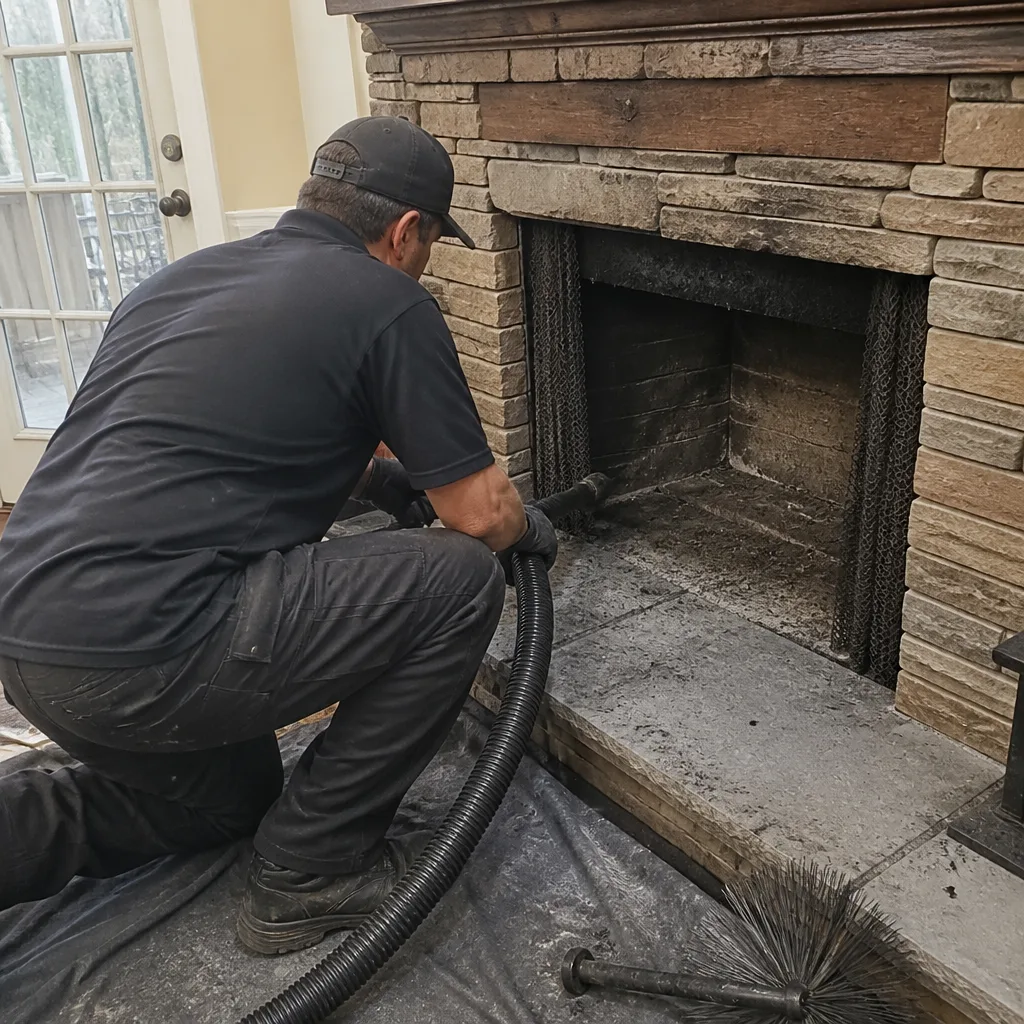 Before
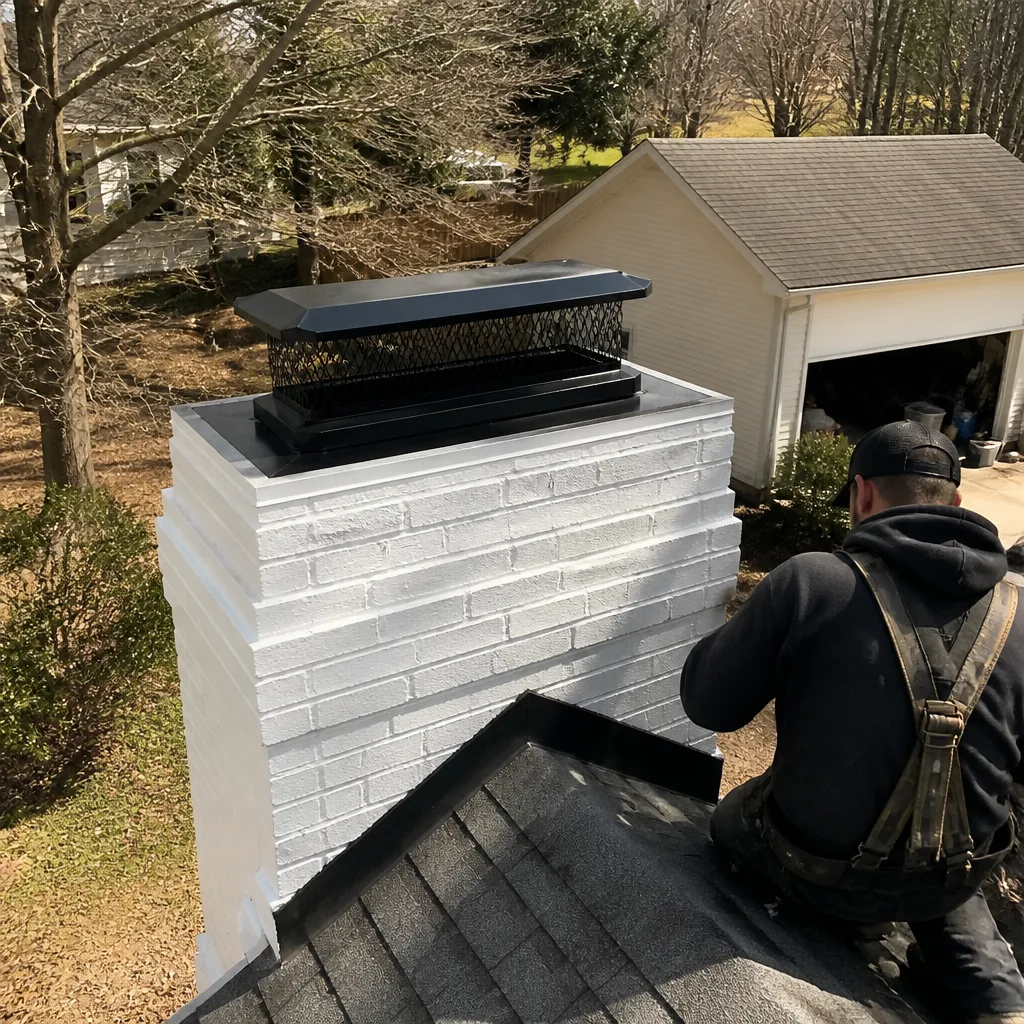 After
After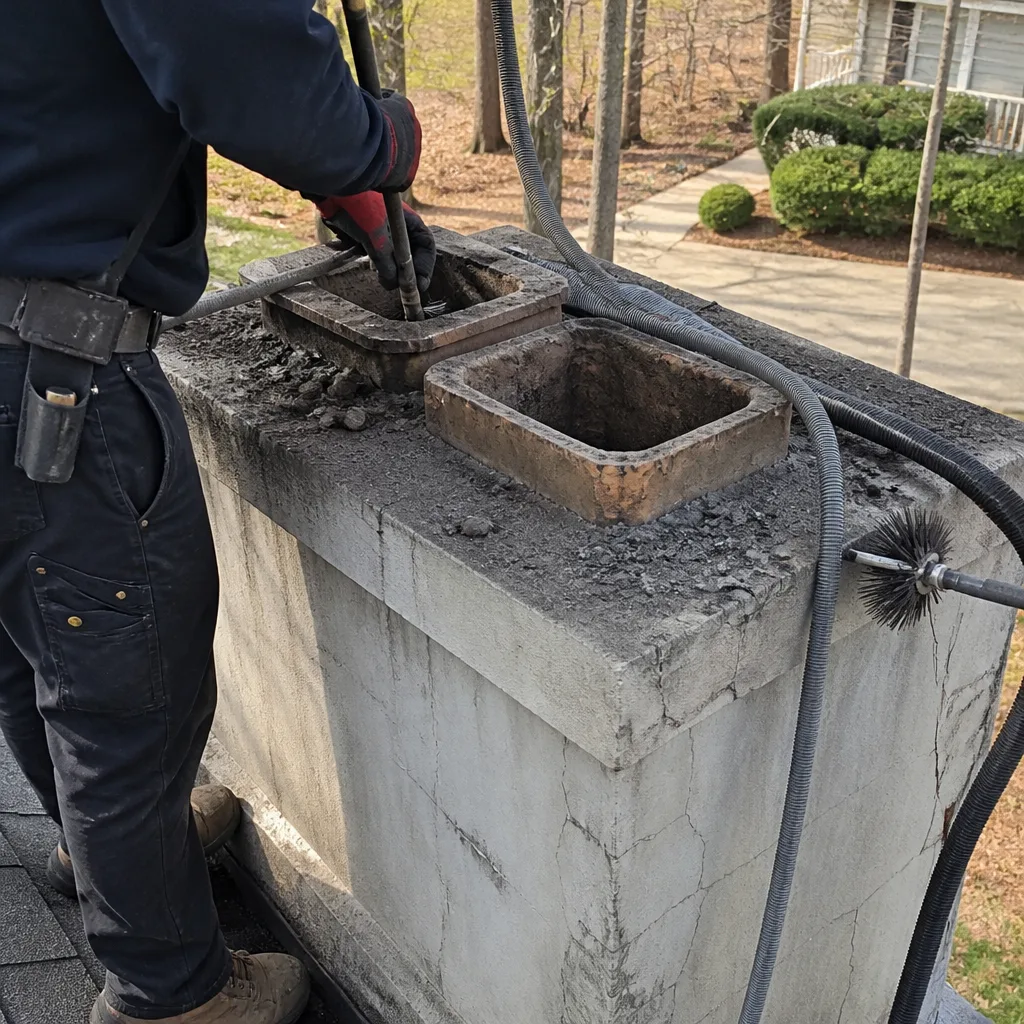 Before
 After
After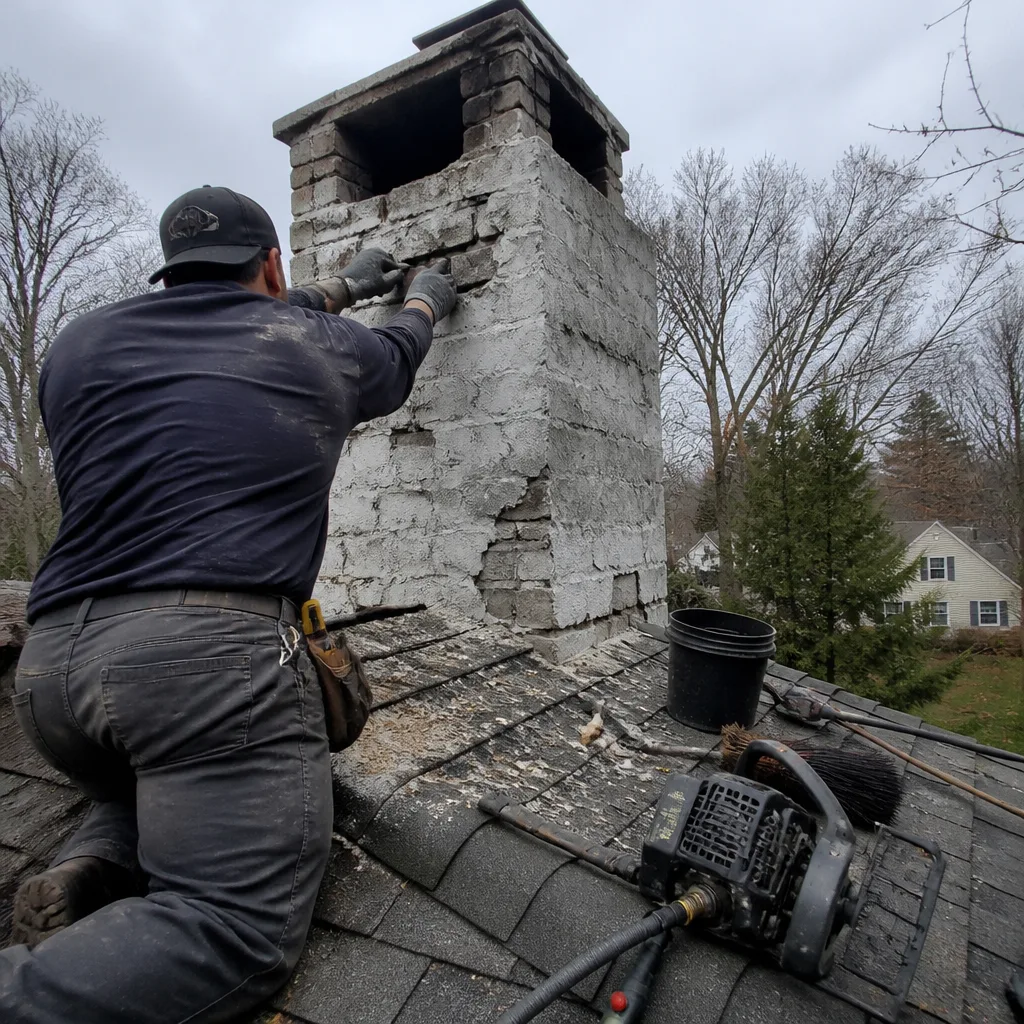 Before
 After
After